Court of Honor & Social Emotional Learning
In an effort to improve student behavior and increase student success, Paladin created a Positive Behavioral Intervention & Support program called the Court of Honor (CoH). This innovative approach uses incentives and recognition as a way to shape the climate and culture at Paladin by focusing on Responsibility, Achievement, and Community. This shifts the focus away from punitive actions while encouraging a culture of trust, respect, engagement, and leadership among students.

“Paladin recognizes my son for who he is, not just a number, and brings out the best in him. Paladin helped to build up his confidence and self-esteem. This was the best decision I made for my student, the improvement that he has made was unbelievable the staff are awesome. I am so appreciative and strongly recommend Paladin.”Paladin Family

The Responsibility standard measures attentiveness to personal responsibilities. It requires that students have good attendance each Block, and that they write and reflect meaningfully on their Block goals. These goals and reflections help to provide a path to success for all students, where they can aspire to, and then reach, their self-defined objectives. Research shows that personal goal setting is a stronger motivator than imposed expectations, and it prepares students to maintain a drive for self-improvement and personal responsibility when they are living on their own.
By learning to be accountable for their presence and how their action (or inaction) impacts their success, students learn valuable skills around time management, punctuality, and diligence. These are necessary traits to develop on the journey to becoming an independent adult.
The Achievement standard measures a student’s rate of credit attainment. Each block, students have a credit goal that will allow them to remain “on track” for their graduation goals. Yearly, this monthly expectation adds up to a total of 5.5 credits, which is the amount that is needed to graduate in 4 years of high school.
Students have the opportunity to earn more than 5.5 credits each year by completing additional projects or engaging in work-based learning. Students can also take advantage of opportunities like Paladin’s Night School program, which offers more time for them to connect with teachers and earn even more credit.
The Community standard measures the positive behaviors that students show to others around them. When students exhibit kindness, respect, helpfulness, etc. the school as a whole becomes a better place. Students and staff can issue a “Community Acknowledgement”, or positive shout-out, to each other, which is emailed to the recipient. These not only encourage prosocial engagement and student citizenship, but also contribute positively to the culture of our school.
We believe that praise can be informative and affectionate, but to be an effective reinforcement, it must be behavior-specific. We emphasize areas such as work ethic, perseverance, and community engagement, rather than praising “being smart.”
Court of Honor Ceremonies
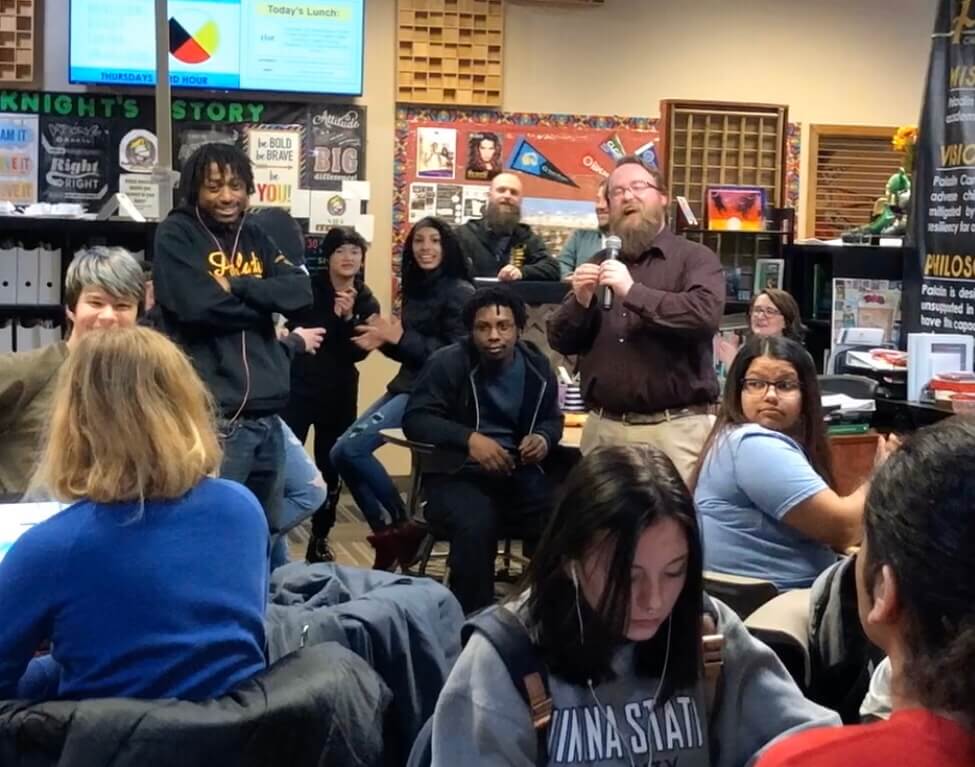
Students who have met the block requirement for all three standards earn Court of Honor membership and are recognized in an end of Block school-wide ceremony. Research shows that the meaningful acknowledgment of a student’s positive behavior encourages them, and their peers, to continue those behaviors.
At this ceremony, incentives are awarded, exemplary projects are recognized, the top scoring students are announced, and the Court of Honor members are presented. Other rewards students can earn include snacks, donated gift cards, and Paladin gear such as shirts and backpacks. Students are also entered into a monthly raffle based on how many total points they earned each Block.

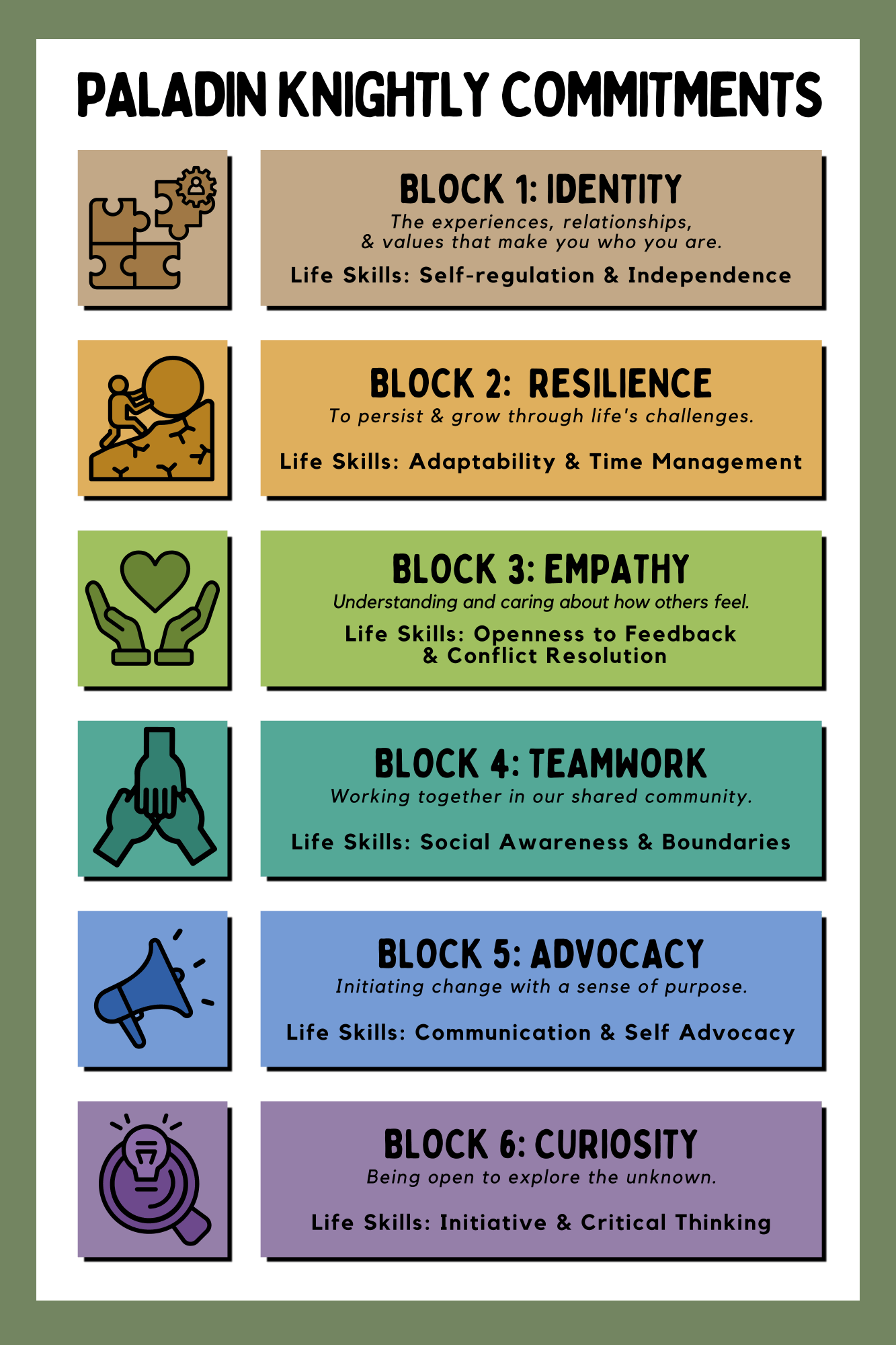
A social emotional learning component of the Court of Honor system is based around the concept of “Knightly Commitments”, derived from our mascot, the Paladin Knight. This set of nine universally-revered personal qualities that we hope to inspire in all Paladin students. Those include Identity, Resilience, Empathy, Teamwork, Advocacy, and Creativity.
Student Success Coordinators have taken these concepts and embedded them into their daily team meetings and circles. By giving students the opportunity to explore these commitments collaboratively in supportive settings, students have yet another way to access SEL concepts. In addition, our Care Team coaches, counselors, and social workers visit each success team periodically through each month to deliver curriculum focused on that block’s Knightly Commitment.
Due to the impact of unaddressed Adverse Childhood Experiences (ACEs), we recognize that social and emotional health concerns create barriers to students’ success in math, reading, attendance, and graduating. As a component of Paladin’s commitment to continuous improvement, evidence-based programming has been developed to meet these vital needs in a manner consistent with our educational philosophy.
According to a 2011 meta-analysis of 213 studies involving more than 270,000 students, those who participated in evidence-based SEL programs showed an 11% gain in academic achievement. Further studies show that these initiatives decreased dropout rates, school and classroom behavior issues, drug use, teen pregnancy, mental health problems, and criminal behavior.
“I love that social emotional learning is prioritised at Paladin. I love that the staff is so dedicated to these young people and their success. I love that Paladin stands for something more than a high school degree, it stands for resilience, acceptance, integrity, and creating a better future for our world!”Paladin Staff
CASEL Framework
In order to teach our students as whole people, and to provide all support possible so that they might surmount personal obstacles and achieve their success, Paladin has adapted the CASEL framework for SEL into the Court of Honor program. This system focuses on five core SEL competencies:
- Self-awareness
- Self-management
- Social awareness
- Relationship skills
- Responsible decision-making
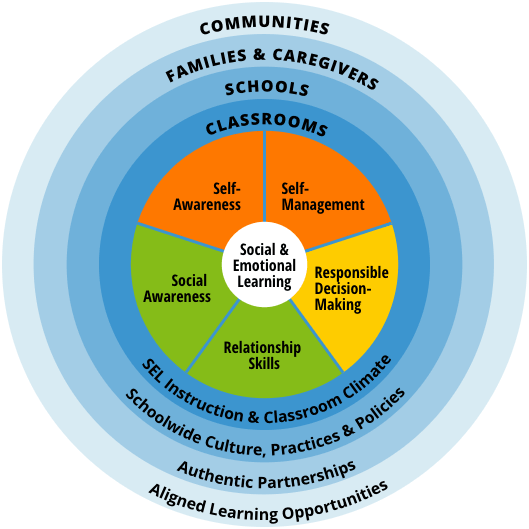
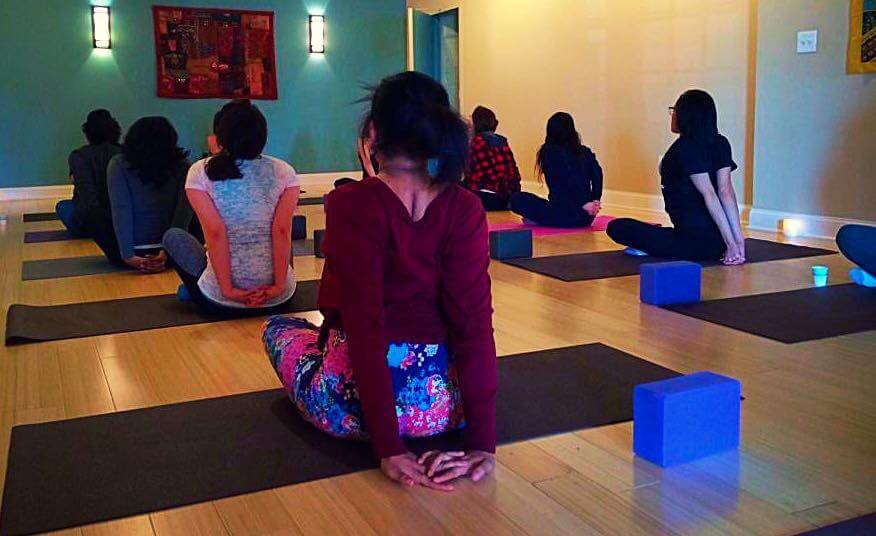
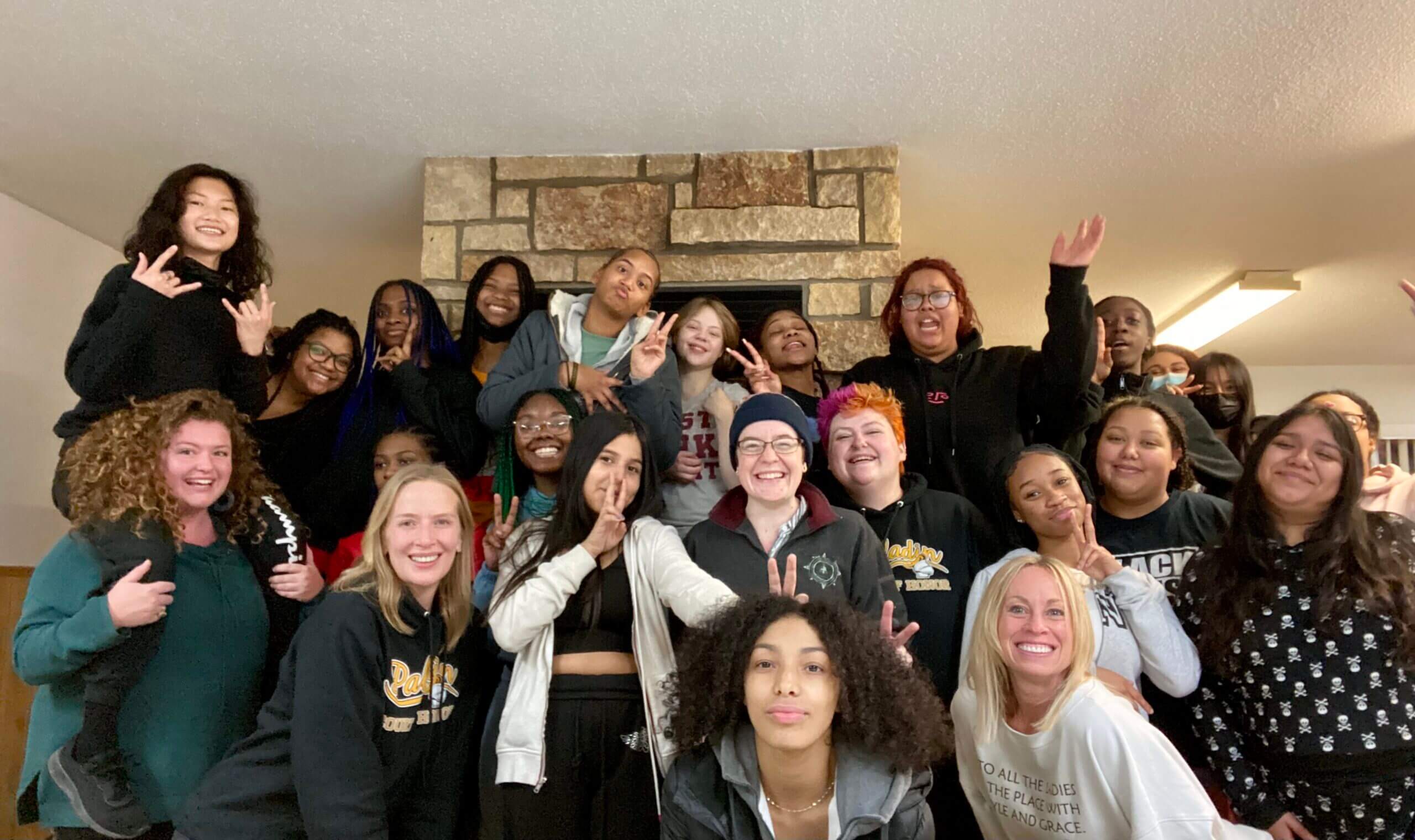
To teach these concepts in a manner that is accessible to and resonant with all students, Paladin integrated SEL into seminars, project-based learning, and experiential learning beginning in the 2019-20 school year. Additionally, understanding that these concepts need to be reinforced systemically, Paladin’s Care Team has dedicated a section of our school newsletter to promote SEL information for families. This extends the learning beyond our classrooms and into the greater Paladin community.
One of the most measurable aspects of this program comes in the form of community acknowledgments. Students and staff are encouraged to use a digital form to recognize one another for their positive deeds. This social reinforcement allows students to become active participants, rather than passive observers, in building a supportive school community that is focused on the strengths and contributions of all its members.
Since implementing this CASEL-based SEL program, we have seen an improvement of Paladin students’ social and emotional well-being, behavioral incidents have decreased, and student attendance and engagement has increased. Perception data from student and family surveys have revealed increased hope, connectedness, and a more positive view of school.